





International Conference on Systems Engineering, Technology, and Sustainable Solutions (ICSETS 2025)
Systems Engineering at MTC: Shaping Future Defense and Industry Leaders
The Systems Engineering Programme at the Military Technological College (MTC) offers a dynamic blend of theoretical and practical education across ten specialized pathways, designed to equip graduates with the expertise needed for Oman’s military and civilian engineering sectors. Accredited by prestigious institutions like the IET, Energy Institute, and iMechE, the programme delivers globally recognized qualifications, including Advanced Diplomas (OQF Level 7) and Bachelor’s Degrees (OQF Level 8), alongside certifications from the University of Portsmouth. Through hands-on training, rigorous assessments, and Training Needs Analysis (TNA) aligned with Ministry of Defence competencies, students master cutting-edge applications in fields such as Power Systems, Mechatronics, and HVACR. Graduates emerge as skilled professionals ready to drive innovation in Oman’s defense and industrial landscape—making this conference a pivotal platform to showcase their contributions and advance collaborative solutions in systems engineering.
Aim:
The conference aims to bring together professionals, researchers, and industry leaders to discuss state-of-the-art developments and trends in Systems Engineering, sustainable solutions, and emerging technologies. The conference seeks to cover interdisciplinary collaboration and presentation of novel approaches for finding solutions to modern engineering challenges: from smart systems and energy sustainability up to digital transformation and biomedical innovations.
Scope:
The conference broadly encompasses engineering and technology with a focused emphasis on smart and sustainable solutions. The main areas are as follows:
- Engineering and Emerging Technologies in Smart Systems: In the wide realm of applications in automation, control systems, robotics, autonomous vehicles, advanced manufacturing, and human-computer interaction, this covers developing and integrating smart systems in different engineering fields.
- Innovative Electronics, Communications, and Mechatronics Systems: This track will discuss recent advancements in sensor technology; 5G and emerging communication networks; RF and microwave systems; signal processing; and intelligent machine systems driving innovation for pace-setting next-generation electronics and communications systems.
- Sustainable Engineering and Energy Solutions: Focus on the environmental challenge with discussions on renewable energy, smart grids, energy storage, decarbonization, and circular economy, including the role of nanotechnology for sustainability.
- Digital Transformation and Modern Simulation: This track would detail the concepts behind the role of digital twins, AI, machine learning, blockchain, cybersecurity, and digital transformation for educational innovations. Emphasis would be placed on putting state-of-the-art computational technologies into perspective in industrial applications.
- Biomedical Innovations and Advanced Technologies: It brings out the interaction between engineering and healthcare on biomedical devices, diagnostics, wearable health technology, and nanoscale innovations for medical advancements.
Conference Tracks
1. Engineering and Emerging Technologies in Smart Systems
- Smart Applications, Embedded Systems, and Automation technologies
- Control Systems, Robotics, Autonomous Systems, and Vehicles
- Unmanned and Autonomous Vehicles, HVACR Technologies, and Printing Technology
- Advanced Manufacturing
2. Innovative Electronics, Communications and Mechatronics Systems
- Sensors, Semiconductor Technology, Networking, 5G, and Emerging Communication Technologies
- RF and Microwave Circuits, VLSI Circuits, and Systems
- Remote Sensing, Image Processing, and Photonics
- Signal Processing, Space Technologies, and Exploration Systems
3. Sustainable Engineering and Energy Solutions
- Industry 4.0
- Renewable Energy, Decarbonization, Emissions Reduction, and Net Zero
- Smart Grids, Power Electronics, Energy Storage, and Battery Technology
- Circular Economy, Sustainable Energy, and Green Engineering
- Nanotechnology for Sustainability and Environmental Engineering
4. Advancing Digital Transformation and Modern Simulation
- Computational and Simulation Technologies, Artificial intelligent mathematics, and Quantum Computing
- Machine Learning, Blockchain computational science
- Cybersecurity computational and mathematics, Data Privacy analysis
- Digital Transformation in Education, such as Engineering Education, Competencies for Future Graduates, Adaptation to the Future Job Market, Virtual Reality (VR), Soft Labs, and Advanced Simulation Environments
5. Biomedical Innovations and Advanced Technologies
- Biomedical Engineering and Health Science Applications
- Laser, Photonics, and Advanced Ordnance Technologies
- Nanoscale Technologies for Medical Devices, Diagnostics, and Wearable Health Technologies
- Integration of Engineering Solutions in Medical Physics
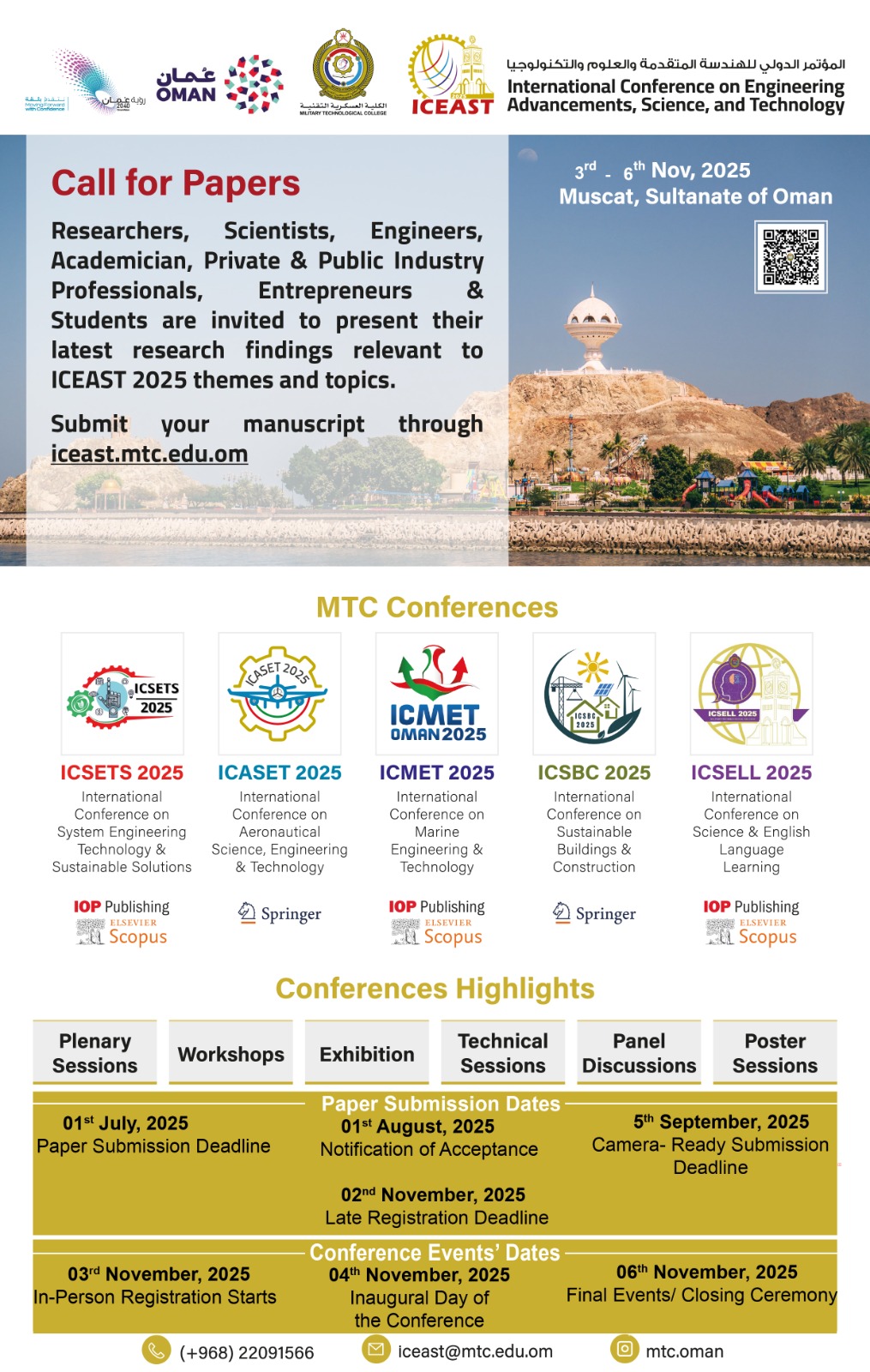
Indexing
- All accepted manuscripts will be published in IOP Publishing; Journal of Physics: Conference Series (JPCS) OR Earth and Environmental Science (EES); provides volume data to the abstracting and indexing providers on publication.
- All accepted manuscripts will be abstracted and indexed in Scopus.
- All papers are submitted for evaluation for indexing in Web of Science (CPCI). Web of Science assesses all submitted volumes against their own quality criteria.
Before the submission, please review the following guidelines from IOP:
Manuscript preparation guideline: https://publishingsupport.iopscience.iop.org/authorguidelines-for-conference-proceedings/
Peer review policy: https://publishingsupport.iopscience.iop.org/questions/proceedingspeer-review-policy/
Ethical policy: https://publishingsupport.iopscience.iop.org/ethical-policy-journals/
Copyright: https://publishingsupport.iopscience.iop.org/questions/iop-proceedings-licence/
Templates and guidelines for proceedings papers
Please refer to the provided link for detailed templates and guidelines: Templates and guidelines for proceedings papers – IOPscience.
Instructions for full paper submission
The proceedings of the International Conference on Systems Engineering, Technology, and Sustainable Solutions (ICSETS) will be published in the Open Access Journal of Physics: Conference Series (JPCS), which is part of IOP Conference Series. All papers published in IOP Conference Series are fully citable and upon publication will be free to download in perpetuity.
As the Conference Proceedings are online only, there is in principle no page limit. However, we do not encourage to use these proceedings for lengthy contributions of more than 10 pages.
Paper Submission:
Authors who wish to submit their papers are advised to visit the following link: Paper Submission.
Technical Programme Committee
Conference Chair
Military Technological College
Oman
Conference Co-Chair
Military Technological College
Oman
Conference Co-Chair
Military Technological College
Oman
Invited talk and workshop chair
Military Technological College
Oman
Sponsership & partnership chair
Military Technological College
Oman
Adminstration chair
Military Technological College
Oman
Publication and program chairs
Military Technological College
Oman
Publicity chair

Military Technological College
Oman
Webmaster and IT committee
Military Technological College
Oman
Conference Editorial Board
Ontario Tech Univ., On.
Canada
Military Technological College
Oman

Military Technological College
Oman
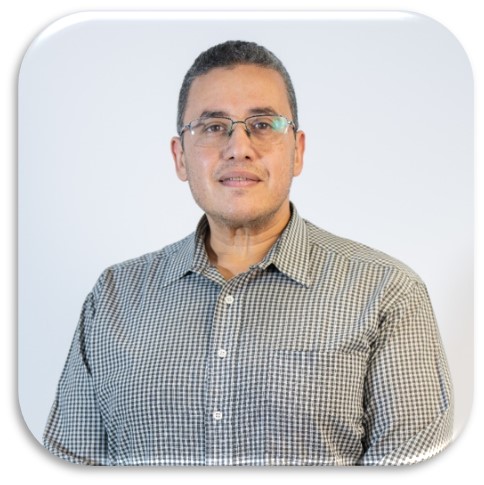
IEEE Egypt Section Chair, Nile University
Cairo, Egypt
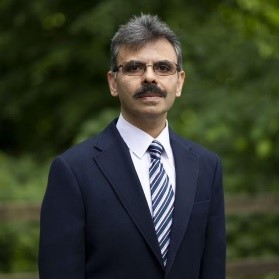
Cardiff School of Technologies
UK
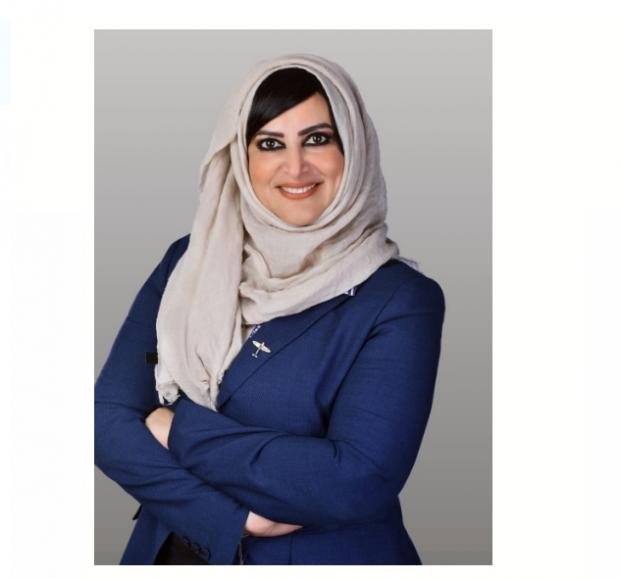
Dean of faculty of Engineering, MUST University
Egypt

Glasgow University
UK
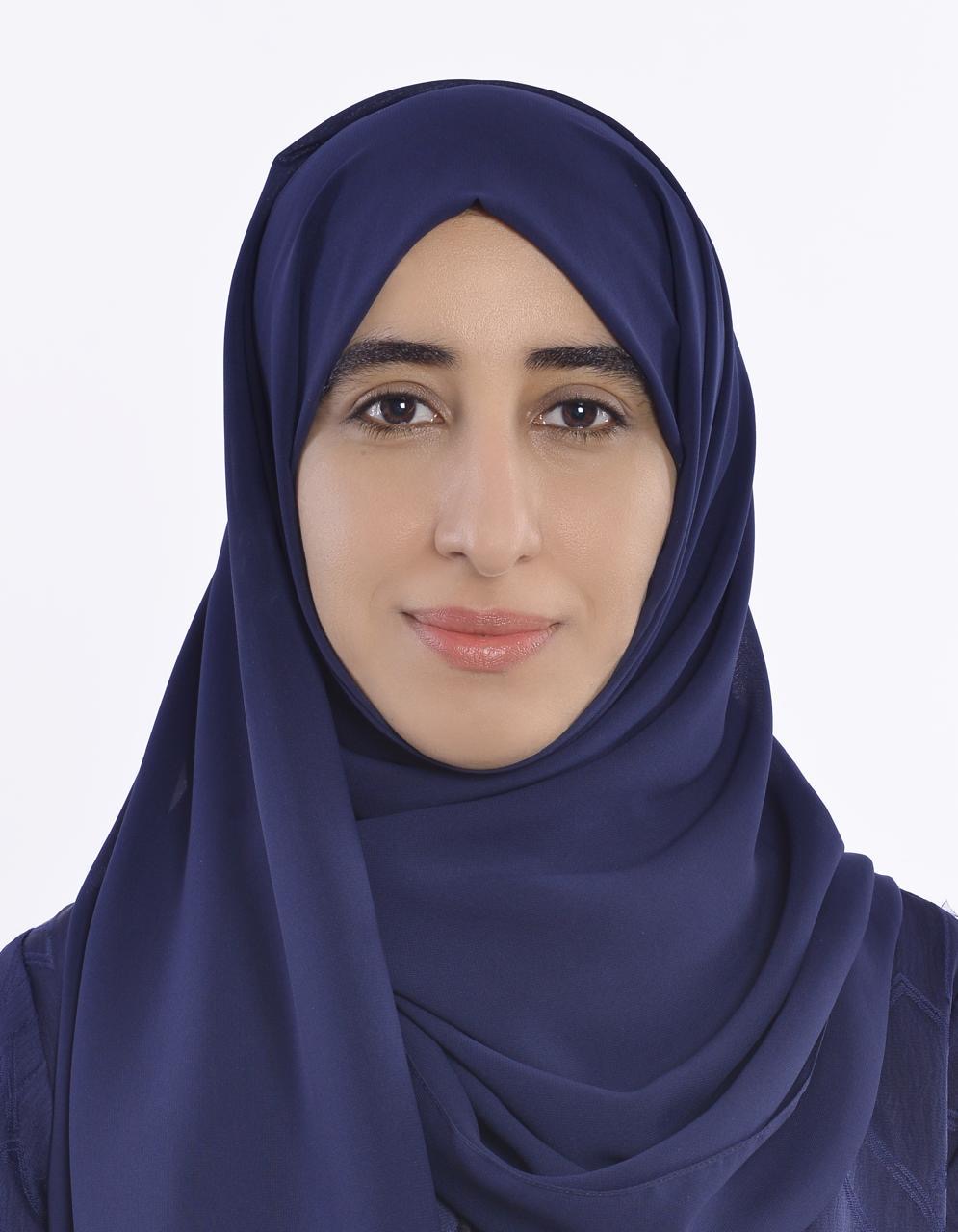
University of Technology and Applied Sciences
Oman
Technical Track chairs
1. Engineering and Emerging Technologies in Smart Systems
Military Technological College
Oman

Nile University, Cairo
Egypt
2. Innovative Electronics, Communications and Mechatronics Systems
Military Technological College
Oman

Nile University, Cairo
Egypt
3. Sustainable Engineering and Energy Solutions
Military Technological College
Oman
Military Technological College
Oman

AAST, Cairo
Egypt
4. Advancing Digital Transformation and Modern Simulation
Military Technological College
Oman
MTC, Cairo
Egypt

University of Technology and Applied Sciences, Muscat
Oman
5- Biomedical Innovations and Advanced Technologies

MTC, Cairo
Egypt

Military Technological College
Oman
International Advisory Committee
Prof.Andrew Ordys
Warsaw University of Technology · Faculty of Mechatronics
POLAND
Prof. Dr. Mohammed Al-Badi
President of the Arab Open University
OMAN
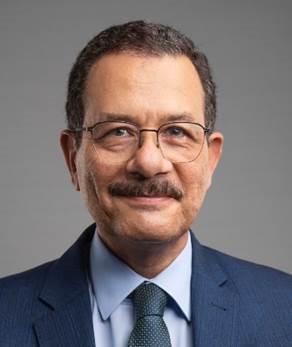
Prof Ahmed M. Darwish
Professor, Former Minister of State for Administrative Development and Chairman of
the Suez Canal Economic Zone, Cairo University
Egypt

Prof. Peter Kyberd
University College, London,
UK
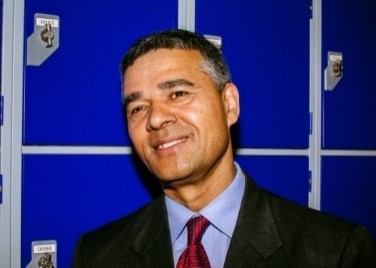
Prof Hom Dhakal
The University of Portsmouth
UK
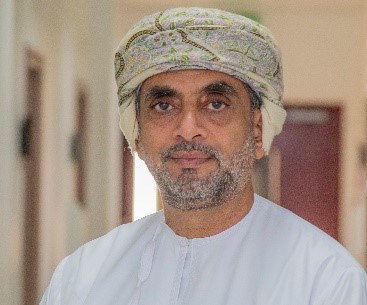
Prof. Abdullah Hamed Al-Badi
Department of Electrical and Computer Engineering College of Engineering, Sultan Qaboos University
Oman

Prof.Ahmed Hassan Yousef
President,of ELSEWEDY University of Technology
EGYPT

Prof. Carolyn McGregor AM
Professor and Dean, Faculty of Business and IT, Ontario Tech University, Ontario,
Canada
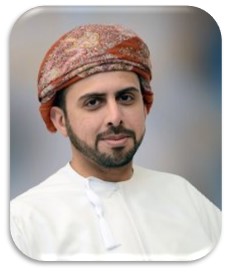
Dr. Ahmed Al Maashri
Head of Electrical and Computer Engineering, Sultan Qaboos University
Oman
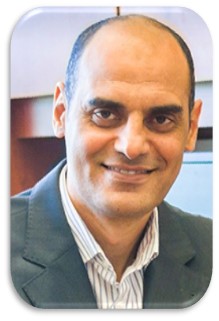
Prof. Khalid Elgazzar
Ontario Tech Univ., On.,
Canada

Prof. Ahmed Eltawil
Associate Dean for Research, Computer, Electrical and Mathematical Sciences and Engineering, KAUST,
Saudi Arabia
Dr. Julien Le Kernec
Glasgow University,
Uk
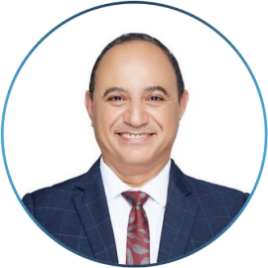
Prof. Naser El-Sheimy
Canada Research Chair
in Geomatics Multi-Sensor Systems, Calgary University,
Canada

Dr. Giusi Alfano
Disma (Dept of Applied Maths) Politecnico di Torino,
Italy
Prof. Ghada Amer
Dean of faculty of Engineering, MUST University,
Egypt
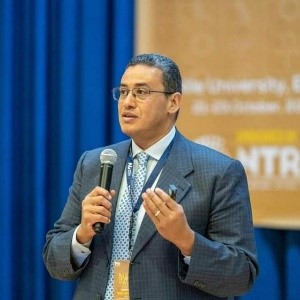
Prof. Ahmed Madian
IEEE Egypt Section Chair, Nile University,
Cairo, Egypt
Dr. Mohammad Haseeb Zafar
Director, Cybersecurity and Information Networks Centre (CINC)
Cardiff Metropolitan University,
UK

Prof. Emmanuel Karlo Nyarko
University of Osijek,
Croatia
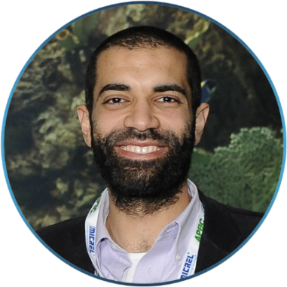
Prof. Khaled Ahmed Hani
University of Strathclyde, Glasgow,
UK

Dr. Saqib Hussain
Associate Professor, Department of Mathematics and Physics, Texas A&M International University,
USA
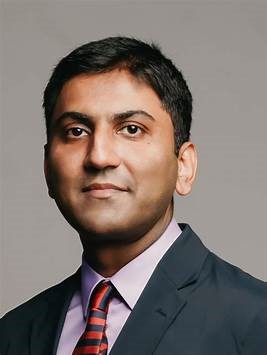
Dr. Muhammad Naveed Aman
Assistant Professor, School of Computing, University of Nebraska–Lincoln,
USA

Dr. Muhammad Tariq Khan
Professor and Head of the School of Engineering at FAST NUCES Islamabad,
Pakistan

Prof. Sherin Youssef
Dean of AASTMT, Alexandria,
Egypt
Dr. Zainab Ebrahim Abdulla Alansari
Assistant Professor, University of Technology and Applied Sciences,
Muscat, Oman

Prof. Yehia Elhalwagy
Vice Dean, Faculty of Engineering, MSA University,
Egypt

Prof.Tamer ElBatt
Professor, Wireless Networks and Mobile Computing, The American University in
Cairo
Egypt

Dr. Ertan Ermiş
Istanbul Sabahattin Zaim University
Turkey

Dr Jovana Radulovic
Director of Education Strategy, The University of Portsmouth
UK
Dr Tong Deng
Senior Lecturer, Faculty of Engineering and Science, University of Greenwich,
UK
Prof. Noha Hany El-Amary
AAST,
Cairo, Egypt

Prof. Ayman El-Tager
MTC, Head of MTT Egypt Section,
Cairo, Egypt

Prof. Mohamed S. Darweesh
Nile University,
Cairo, Egypt
Dr. Mohammed Bait Suwailam
Director, Communication and information Research Center, Sultan Qaboos University
Oman.
Prof. Lobna A. Said
Nile University,
Cairo, Egypt

Dr Edward Smart
The University of Portsmouth
UK
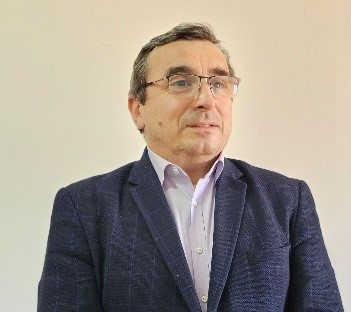
Dr. Mircea Risteiu
Associate Professor, University of Alba Iulia,
Romania
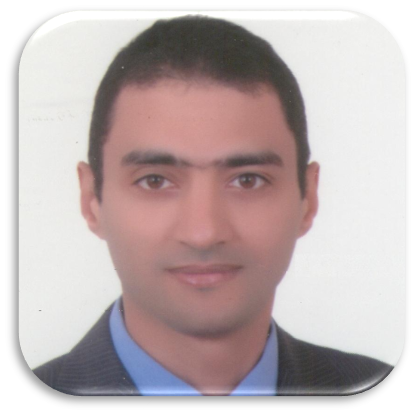
Prof. Mahmoud A. Abdalla
MTC,
Cairo, Egypt

Dr K.Suresh Manic
National University of Science and Technology
Oman
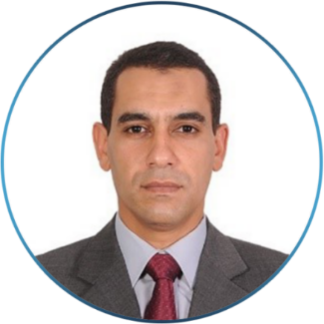
Prof. Tarek Mahmoud
MTC,
Cairo, Egypt

Dr. Muhammad Nauman
Thermodynamics of Quantum Materials Laboratory, Institute of Science and Technology Austria (ISTA),
Austria
Dr. Badar Alshabibi
Deputy Assistant Vice Chancellor for Postgraduate Studies, Research and Innovation, Assistant Professor in Corporate Governanceat at University of Technology and Applied Sciences
Muscat, Oman
Dr. Amal S. Al Rahbi
University of Technology and Applied Sciences
Muscat, Oman
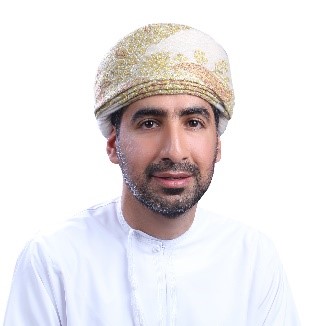
Dr. Waleed Abdallah Alabri
Head of Electrical and Electronics and Engineering Section, Engineering Department, College of Engineering and Technology, University of Technology and Applied Sciences
Muscat, Oman

Dr. Michael Bradley
The Wolfson Centre for Bulk Solids Handling Technology, University of Greenwich,
UK
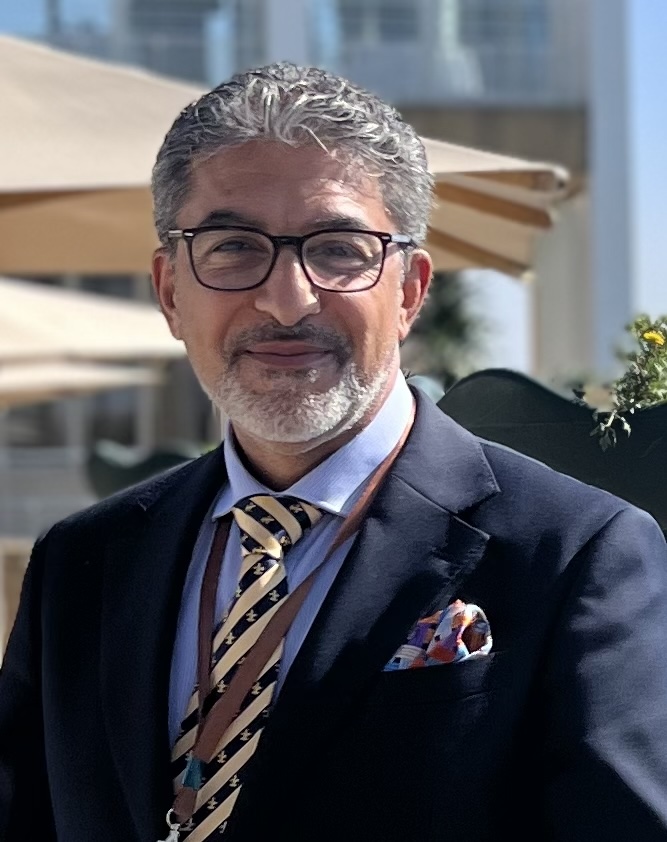
Prof Salah Al-Majeed
Al Akhawayn University in Ifrane,
Morocco

Dr Rihab Al Seyab
senior lecturer in electrical and electronics engineering, University of Gloucestershire
UK
Keynote Speakers

Professor Ahmed M. Eltawil
Professor of Electrical and Computer Engineering and Associate
King Abdullah University of Science and Technology (KAUST)
KSA
Lecture Title
Machine Learning and Artificial Intelligence A Key Driver for Future Generation Wireless Networks
Professor. Michael Bradley
Director of the Wolfson Centre for Bulk Solids Handling Technology, University of Greenwich,
UK
Lecture Title
The “National Strategy for an Orderly Transition to Net Zero”: Addressing Substantial Technical Challenges Inherent in Oman’s Industrial Economy
Professor Andrzej Ordys
Warsaw University of Technology · Faculty of Mechatronics
Poland
Lecture Title
On Integrated Approach into Detection of Cyberattacks in Industrial Control Systems
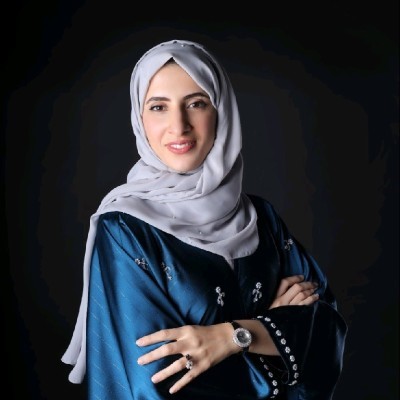
Dr Zakiya Al Azri
Hydrogen, CCUS, Energy Transition
Petroleum Development (PDO)
Oman
Lecture Title
Hydrogen at the Frontline: Resilience or Revenue
Invited speakers
Prof. Khalid Elgazzar
Ontario Tech Univ., On.,
Canada
Lecture Title
Robust Pedestrian Intent Prediction in Challenging Environments for Autonomous Vehicles

Prof. Julien Le Kernec
Senior Lecturer, Autonomous Systems & Connectivity Group
IEEE Distinguished Lecturer
University of Glasgow
UK
Lecture Title
Radar sensing in assisted living: an overview
Dr. Ahmed Al Maashri
Head of Electrical and Computer Engineering, Sultan Qaboos University
Oman
Lecture Title
A Sustainable Oman for the Next Generation: The Role of Academia in Teaching Tomorrow
Prof. Ahmed H. Madian
Chair of IEEE Egypt section
Program Director of Electronics and Computer Engineering (ECE)
Egypt
Lecture Title
Bio-impedance Modeling of plants

Prof. Najam Ul Hasan
Associate Dean for Research
College of Business, Technology & Engineering, Sheffield Hallam University
UK
Lecture Title
From Devices to Decisions: The Future is Distributed with AI at the Edge, Fog, and Cloud for Smarter IoT Systems
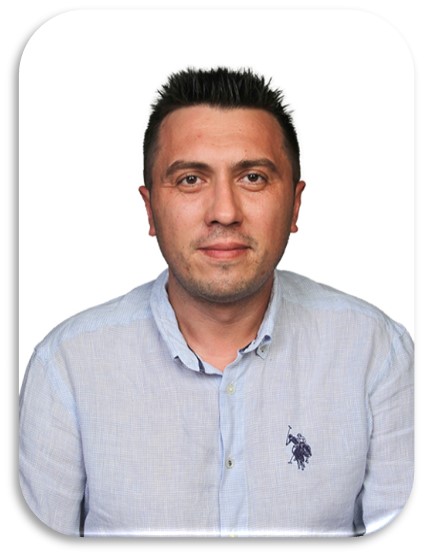
Prof. Korhan Cengiz
Associate Research Professor
Department of Electrical Engineering, Prince Mohammad Bin Fahd University
KSA
Lecture Title
Novel Protocols for Wireless Sensor Networks
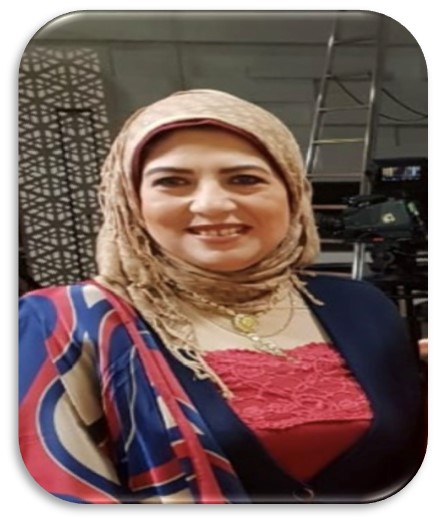
Prof. Sherin Youssef
The head of computer College of Engineering - Arab Academy for Science, Technology and Maritime Transport, Alexandria
Egypt
Lecture Title
Harnessing Artificial Intelligence for Accelerating Sustainable Green Projects: Towards a Sustainable Future
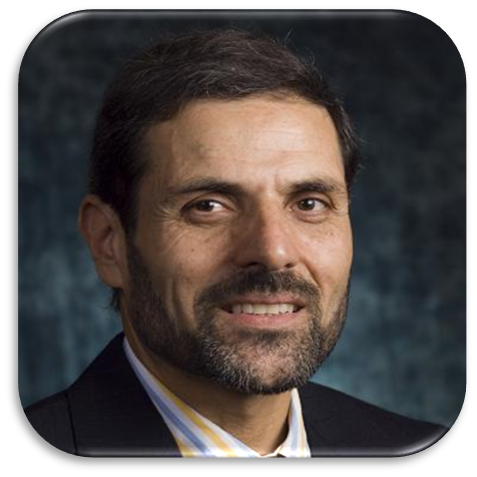
Prof. Seyed Mojtaba Sadrameli
Professor of Process Engineering,German University of Technology
Oman
Lecture Title
Phase Change Materials for Sustainable Energy Systems: Innovation, Integration, and Impacts
Prof. Mahmoud A. Abdalla
The Former Dean of Electrical Engineering School, Military Technical College
Egypt
Lecture Title
WEARABLE ANTENNAS FOR ON BODY APPLICATIONS: MODERN DESIGN AND APPLICATIONS
Prof. Ayman El-Tager
Founding Chair of the IEEE MTT-S Egypt Chapter,
Chair of the Scientific Council, Electronic Eng. Dept.,
RF Active circuits and systems group founder and Director
Egypt
Lecture Title
ADVANCED MICROWAVE CIRCUITS FOR GREEN COMMUNICATIONS AND SUSTAINABILITY
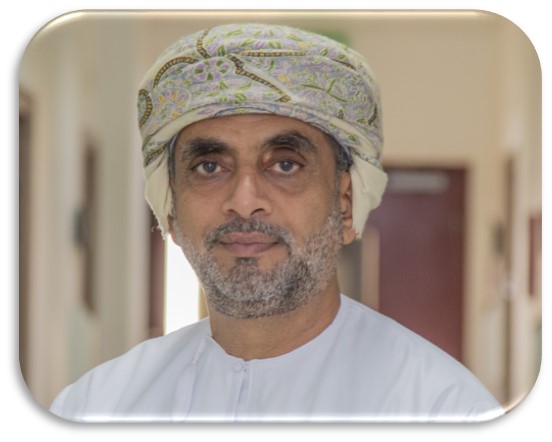
Prof. Abdullah Hamed Al-Badi
Department of Electrical and Computer Engineering College of Engineering, Sultan Qaboos University
Oman
Lecture Title
High Penetration of Renewable Energy Sources into the Grid: Challenges and Solutions
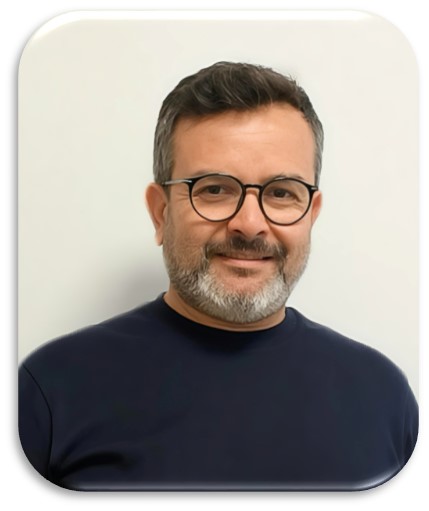
Prof. Ertan Ermiş
Istanbul Sabahattin Zaim University, Faculty of Engineering and Natural Sciences, Department of Food Engineering
Turkey
Lecture Title
Next-Gen Technologies Shaping the Future of Food Engineering: From Smart Systems to Smart Solutions
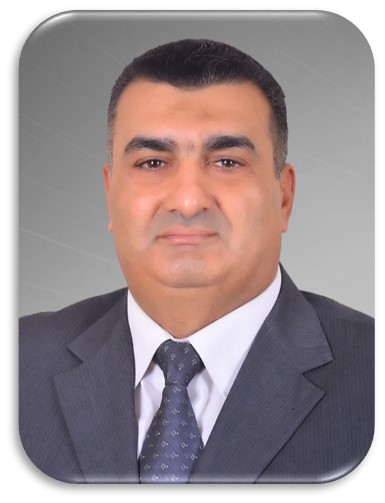
Prof. Mohamed Elkhatib
Professor, Senior Lecture, IEEE Senior member
Oman
Lecture Title
60 Years of Fuzzy Logic: Advances from Theory to Intelligent Applications
To view the programme of ICSETS 2025 click here
Partners


Sponsor